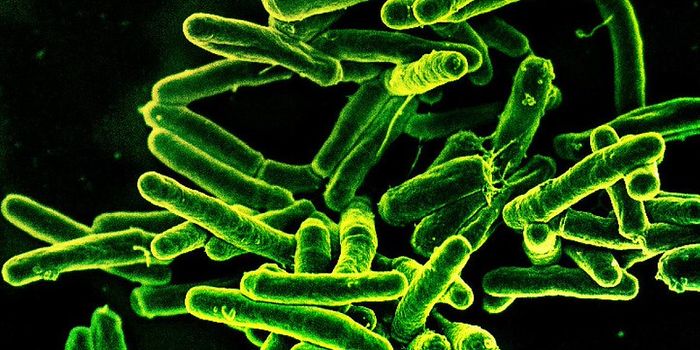
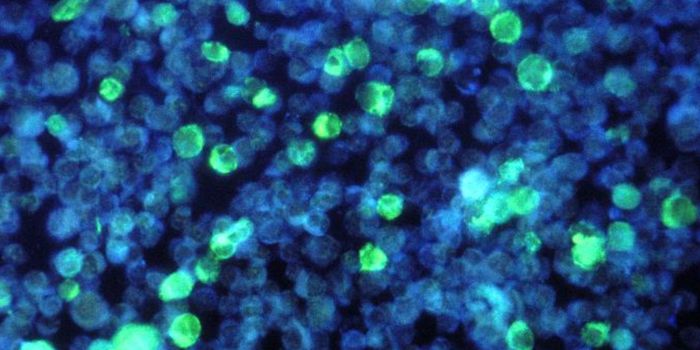
The gut microbiome has been shown to influence tumor growth and contribute to therapeutic resistance. Scientists have concluded that there are both beneficial and deleterious microbes within the gut that can facilitate immune response to cancer. However, less is known about the bacteria in the tumor or the ‘tumor microbiome’. It has been established that tumor bacteria, such as Fusobacterium nucleatum, promote cancer growth and aids in evading the immune system. Specifically, bacteria within the tumor creates low oxygen niches, which can promote growth by inducing a hypoxic tumor microenvironment (TME) toxic to healthy immune cells. These niches can also facilitate dormancy and resistance to chemotherapy. Dormancy is the process in which cells hibernate and become undetected until an internal stimulus triggers their activation in the future. While bacteria have been implicated as a tumor promoter in some cancers, it is still unclear how much they contribute to other forms of cancer therapy.
Immunotherapy is a form of cancer treatment that activates the immune system to recognize tumors. In the context of cancer, tumors find ways to evade immunity; however, immunotherapies work to overcome underlying mechanisms that provide tumors an escape route. Currently, almost every cancer treatment involves a combination of immunotherapy. Unfortunately, tumors persist, and immunotherapies are only effective in a subset of patients. This limited efficacy is correlated to the type of cancer and the stage of disease. Scientists are currently working to understand why some tumors are more resistant to immunotherapies compared to others.
A recent article in Nature Cancer, by Dr. Tim Chan and others, demonstrated that bacteria in head and neck cancer suppresses immune response and restricts immunotherapeutic efficacy. Chan is a physician-scientist and Chair of the Center for Immunotherapy & Precision Immuno-Oncology at the Cleveland Clinic. His work focuses on understanding the genetic development of tumors and how to improve treatment response. Specifically, his group uses large-scale computational assessment to learn what drives tumor progression. Chan and his group hope to develop better diagnostic tools and improve cancer treatment outcomes.
Chan and others have shifted away from genetic markers and focused on the tumor microbiome. The study identifies how bacteria influences treatment efficacy. The team used computational analysis to identify key bacteria that lead to treatment resistance. This new approach allows physicians to better select the best treatment strategy for their patients. It would also help predict targeted antibiotic therapy outcomes. The findings from mouse models were validated in head and neck cancer patient samples. Interestingly, a second group that Chan collaborates with at Cleveland Clinic also published their work in Nature Cancer demonstrating that anti-PD-1 immunotherapy in combination with chemotherapy performed worse than chemotherapy alone in patients with increased head and neck cancer bacteria.
Both studies clearly conclude that elevated tumor bacteria attract cells that suppress the immune system, which is needed for immunotherapy to have an effect. Importantly, each study provides insight into why immunotherapy is not always effective in certain cancer types. Future work is investigating antibiotic strategies to reduce the tumor microbiome and boost immunotherapeutic efficacy. Overall, this work suggests tumor bacteria is a necessary barrier that must be addressed to enhance immunotherapy outcomes.
Article, Nature Cancer, Tim Chan, Cleveland Clinic, Work