
Associate Professor, Director of the Microscopy and Cytometry Core Facility at Amsterdam UMC and Co-Director of the Immune Monitoring Unit at the Amsterdam UMC Immunotherapy Center
BIOGRAPHY

Speakers
-

Oggie Golub, PhD
Sr. Staff Scientist, Thermo Fisher ScientificBIOGRAPHY

Date & Time
Date: April 1, 2026
Time: 7:30 AM PT, 10:30 AM ET, 4:30 PM CET
Abstract
Multiplexed immunofluorescence (mIF) imaging has emerged as a powerful approach for spatially resolved, single-cell–level characterization of complex tissues, enabling simultaneous visualization of dozens of protein targets within preserved tissue architecture. Central to the success of mIF experiments is robust antibody panel design, which remains one of the most technically challenging and time-consuming aspects of assay development. Despite rapid advances in imaging platforms, fluorophore chemistry, and signal amplification strategies, many researchers continue to face significant bottlenecks in selecting, validating, and optimizing antibodies for high-plex applications. This webinar will provide a comprehensive overview of the current state of the art in antibody panel design for multiplexed immunofluorescence imaging. Key challenges - including antibody specificity and cross-reactivity, epitope stability across iterative staining cycles, fluorophore selection and spectral overlap, signal dynamic range, tissue-dependent variability, and cumulative assay artifacts - will be discussed in the context of both experimental and analytical constraints. Emphasis will be placed on how design decisions made early in the workflow influence downstream data quality, interpretability, and reproducibility. Attendees will be guided through a systematic framework for rational panel design, from biological question formulation and marker prioritization to antibody screening, titration, and iterative optimization. The webinar will present practical strategies to mitigate common failure points, including approaches for balancing marker abundance, managing steric hindrance, minimizing channel crosstalk, and troubleshooting suboptimal staining patterns. Multiple real-world panel design case studies will be shared to illustrate common pitfalls and effective solutions across different tissue types and experimental goals. The session will lead to a consolidated set of best practices and decision-making guidelines intended to streamline panel development, reduce experimental iteration, and improve robustness across laboratories and platforms. By combining conceptual principles with actionable recommendations, this webinar aims to equip researchers with the tools needed to design, optimize, and deploy high-quality mIF antibody panels with greater confidence and efficiency.
In addition, we will highlight the benefits of using the new Invitrogen™ EVOS™ S1000 Spatial Imaging System for mIF research. This instrument offers a simplified workflow that supports up to 9-plex imaging in a single round, with fast, integrated, automated and reliable unmixing. It is a flexible platform that has compatibility with commonly available labelling methods and dyes, thus expanding the reagent options for panel design and optimization. Examples for using the EVOS S1000 will be offered throughout the webinar to demonstrate its value as attractive tool for advancing research in multiplexed immunofluorescence tissue imaging.
Learning Objectives:
- Identify key technical challenges in multiplexed immunofluorescence antibody panel design
- Apply a systematic framework for designing and optimizing high-plex mIF antibody panels
- Understand how the EVOS S1000 Spatial Imaging System enables efficient multiplexed immunofluorescence workflows
You May Also Like
FEB 17, 2026 | 8:00 AM

In cell therapy applications, commonly employed cell purification platforms for large-scale isolation of immune or stem cells separate cells based on a single cell surface antigen. Enrichmen...
FEB 18, 2026 | 8:00 AM

With advancing food allergy research and emerging therapies, new allergy testing requirements arise. In this context, Basophil Activation Testing (BAT) has emerged as an essential component...
FEB 18, 2026 | 1:00 PM

Energy-efficient filtration solutions that reduce hidden chemical exposure from benchtop work and lab equipment to improve overall laboratory safety...
FEB 19, 2026 | 7:00 AM
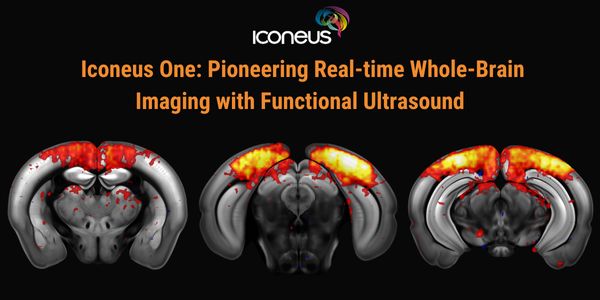
Discover how Iconeus One, the premier functional ultrasound (fUS) system for neuroscientists, is transforming brain function studies. Based on ultrafast plane-wave sonography, Iconeus One of...
FEB 19, 2026 | 8:00 AM

The collection of high-quality genomic DNA remains a major barrier in pediatric and neurodevelopmental research, particularly among children with autism spectrum disorder (ASD) and other neu...
FEB 23, 2026 | 9:00 AM
C.E. CREDITS

Explore decentralized liquid biopsy with SOPHiA GENETICS and MSK-ACCESS®, expanding access, improving outcomes, and accelerating precision oncology....
Loading Comments...