
Associate Professor, School of Health Professions, University of Puerto Rico Medical Sciences Campus
BIOGRAPHY

Fingerstick-Based DNA Collection Using truCOLLECT® Solution for Whole Genome Sequencing in Pediatric and Neurogenetic Research
Speakers
-

Paola Giusti-Rodríguez, PhD
Assistant Professor, Department of Psychiatry, University of Florida College of MedicineBIOGRAPHY -
Ulrich Thomann, PhD
Vice President Research & Development, CovarisBIOGRAPHY


Date & Time
Date: February 19, 2026
Time: 8:00 AM PT, 11:00 AM EST, 5:00 PM CEST
Abstract
The collection of high-quality genomic DNA remains a major barrier in pediatric and neurodevelopmental research, particularly among children with autism spectrum disorder (ASD) and other neurogenetic conditions, where venipuncture may be distressing or logistically challenging. Additionally, access to phlebotomy services can be limited in rural and remote settings, creating disparities in genomic research participation.
In this webinar, we present results from a pilot study evaluating truCOLLECT fingerstick-based blood collection kits as an alternative to traditional venous blood draws for DNA extraction and whole genome sequencing (WGS). Pediatric participants underwent paired sample collection using venipuncture and fingerstick, both collected by a trained phlebotomist. DNA extracted from truCOLLECT samples demonstrated excellent yield, integrity, and stability when stored at room temperature, with no evidence of degradation. Importantly, truCOLLECT-derived DNA can be successfully used directly for long-read whole genome sequencing, showing performance comparable to venous blood-derived DNA.
Beyond laboratory performance, the truCOLLECT solution offers significant practical advantages, including minimally invasive collection, suitability for self-collection, feasibility for use in community-based, rural, and resource-limited settings, and shipping as non-hazardous material. These attributes make it particularly valuable for pediatric research, autism-focused studies, and population-based genomics initiatives aiming to increase inclusivity and reduce participant burden.
This session will discuss laboratory workflows, DNA quality metrics, sequencing outcomes, and real-world applications of the truCOLLECT solution in pediatric and neurogenetic research, highlighting its potential to transform genomic sample collection strategies.
Educational/Learning Objectives
After attending this webinar, participants will be able to:
- Describe the challenges associated with traditional venous blood collection for genomic studies in pediatric and neurodevelopmental populations, including children with autism spectrum disorder.
- Explain the truCOLLECT fingerstick collection workflow, including sample handling, room-temperature stability, and downstream DNA extraction.
- Compare DNA quality, yield, and integrity obtained from the truCOLLECT fingerstick samples versus venous blood samples.
- Assess the feasibility of using truCOLLECT-derived DNA for whole genome sequencing, including long-read sequencing applications.
- Identify use cases for truCOLLECT blood collection kit in rural, remote, and community-based research settings, including self-collection models.
- Evaluate how alternative collection methods can improve research participation, equity, and scalability in genomic studies.
You May Also Like
FEB 17, 2026 | 8:00 AM

In cell therapy applications, commonly employed cell purification platforms for large-scale isolation of immune or stem cells separate cells based on a single cell surface antigen. Enrichmen...
FEB 18, 2026 | 8:00 AM

With advancing food allergy research and emerging therapies, new allergy testing requirements arise. In this context, Basophil Activation Testing (BAT) has emerged as an essential component...
FEB 18, 2026 | 1:00 PM

Energy-efficient filtration solutions that reduce hidden chemical exposure from benchtop work and lab equipment to improve overall laboratory safety...
FEB 19, 2026 | 7:00 AM
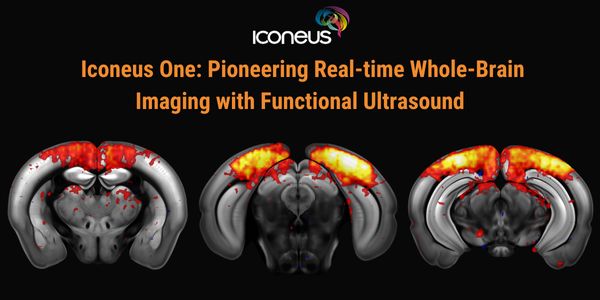
Discover how Iconeus One, the premier functional ultrasound (fUS) system for neuroscientists, is transforming brain function studies. Based on ultrafast plane-wave sonography, Iconeus One of...
FEB 19, 2026 | 8:00 AM
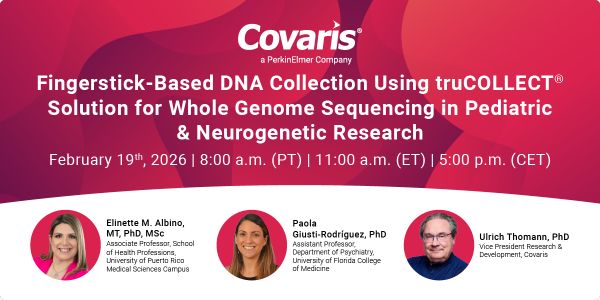
The collection of high-quality genomic DNA remains a major barrier in pediatric and neurodevelopmental research, particularly among children with autism spectrum disorder (ASD) and other neu...
FEB 23, 2026 | 9:00 AM
C.E. CREDITS

Explore decentralized liquid biopsy with SOPHiA GENETICS and MSK-ACCESS®, expanding access, improving outcomes, and accelerating precision oncology....
Loading Comments...