The endoplasmic reticulum is usually the biggest organelle in eukaryotic cells; it has various portions that serve different purposes; and it is the site of protein production, as well other other critical functions including calcium storage, and lipid and steroid synthesis, for some examples. It also has a dynamic structure that can change significantly during certain processes, like mitosis. Scientists are still learning new details of how the endoplasmic reticulum functions. A new study has shown that cells can adapt to aging by remodeling the endoplasmic reticulum. The findings have been reported in Nature Cell Biology.
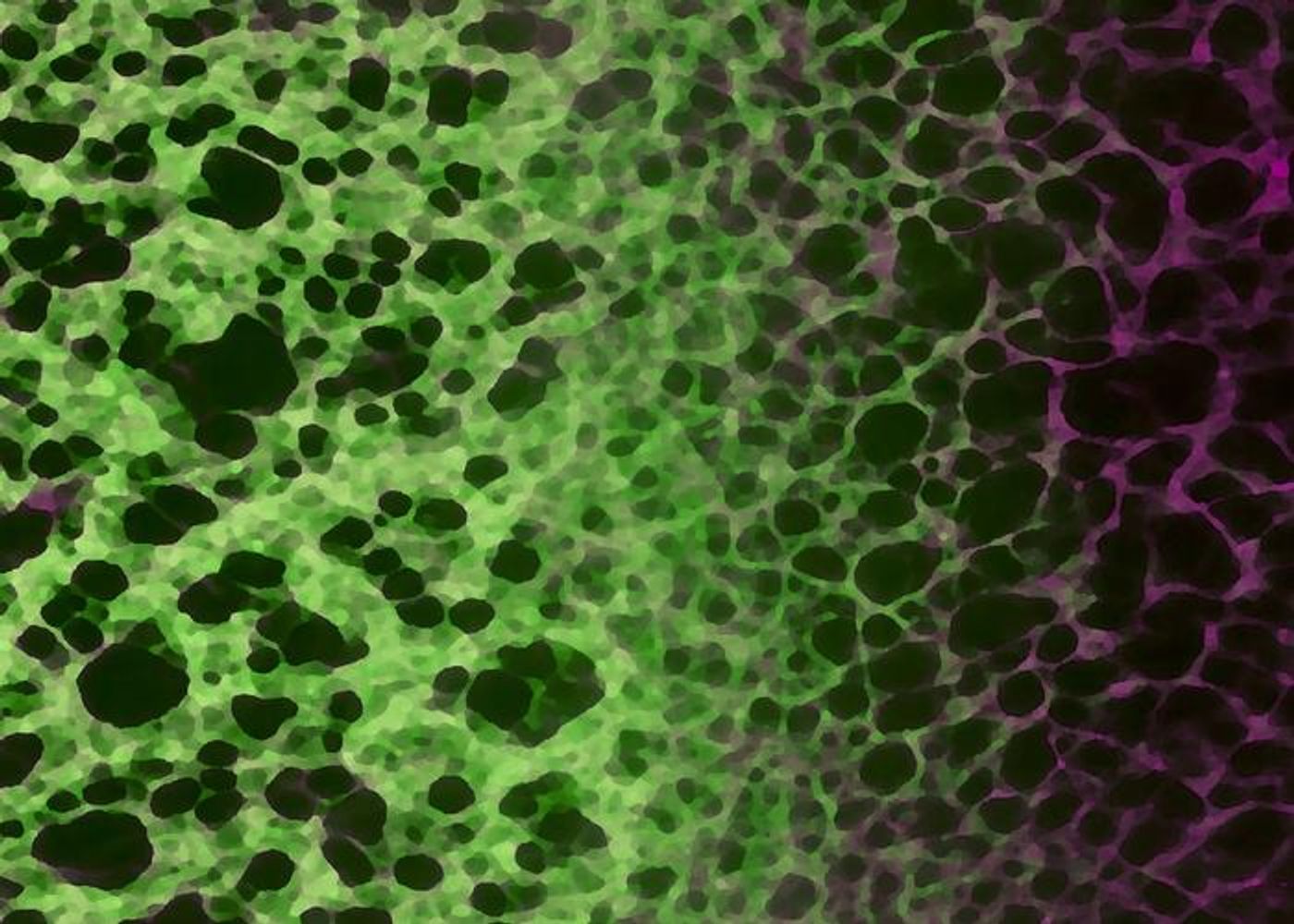
This study used a Caenorhabditis elegans nematode worm model to show that as cells age, they can change the endoplasmic reticulum (ER) through a process known as ER-phagy. In this process, certain sections of the ER are targeted for degradation. The work also showed that the level of so-called ‘rough’ ER, where proteins are formed, is also reduced in aging. Another type of ER known as tubular ER is only slightly influenced by aging, however.
The researchers suggested that now, it may be possible to target ER-phagy as an aging treatment. While the findings remain to be confirmed in people, and this study used a worm model, these nematodes have many genetic and biological process in common with humans.
“We didn’t just add a piece to the aging puzzle, we found a whole section that hasn’t even been touched,” said first study author Eric Donahue, PhD.
In the video above, from Vanderbilt University, little organelles called lysosomes can be seen in yellow, as they interact with the blue-stained ER while the organelle is degraded and remodeled in animals as they age.
“Changes in the ER occur relatively early in the aging process,” noted senior study author Kris Burkewitz, an assistant professor of cell and developmental biology at Vanderbilt University. “One of the most exciting implications of this is that it may be one of the triggers for what comes later: dysfunction and disease.”
Experienced research scientist and technical expert with authorships on over 30 peer-reviewed publications, traveler to over 70 countries, published photographer and internationally-exhibited painter, volunteer trained in disaster-response, CPR and DV counseling.